
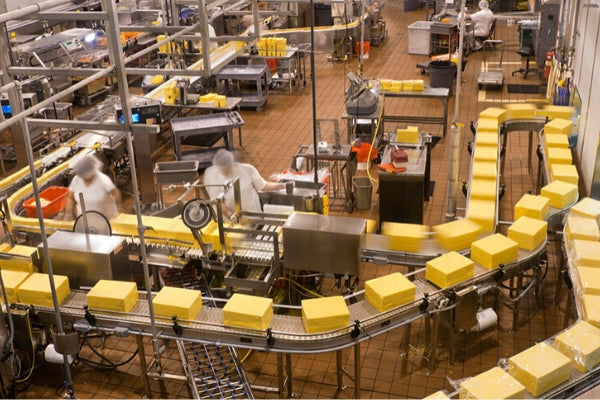
Excess moisture has its visible effects in manufacturing areas across industries. Observing controlled and consistent humidity and temperature level plays a very important role in the manufacturing process.
High humidity levels have a direct impact on the manufacturing process and drying cycles of various products that are susceptible to moisture.
In pharmaceutical, food and confectionery manufacturing areas, high humidity affects characteristics and composition of ingredients majorly, it causes hygroscopic powder ingredients to form lumps (known as agglomeration), leads to microbial growth and bacterial contamination thus affecting the overall product quality, reducing the product shelf life and posing serious health risks.
In electronic, electricals and equipment manufacturing areas, circuit boards are very sensitive to high levels of moisture, high humidity levels tend to settle on the electronic components and cause short circuits, operational glitches and breakdown of electronics.
In medical equipment manufacturing areas (hospital and lab equipments), humidity not only causes condensation on sensitive lenses and corrosion on equipments, it also affects the functioning of the devices and compromises the sterility of the equipment’s.
Manufacturing, testing and assembly areas in the aviation and automotive industry have low tolerance for fluctuations in temperature and humidity levels to protect the whole as well as the parts that are being manufactured.
Controlled humidity levels help eliminate corrosion and breakdown during production, assembly and storage of air craft parts.
Also in automotive manufacturing, maintenance and storage facilities, high humidity causes condensation, leading to corrosion and rusting of parts, it also causes cracks and flaking in coatings of parts and contributes to an unreliable environment for the testing of engines.
Recording of temperature and humidity, highs and lows and constant monitoring of the environment should be taken into consideration in manufacturing areas to ensure smooth operations and to meet the set quality standards as per their respective industries.
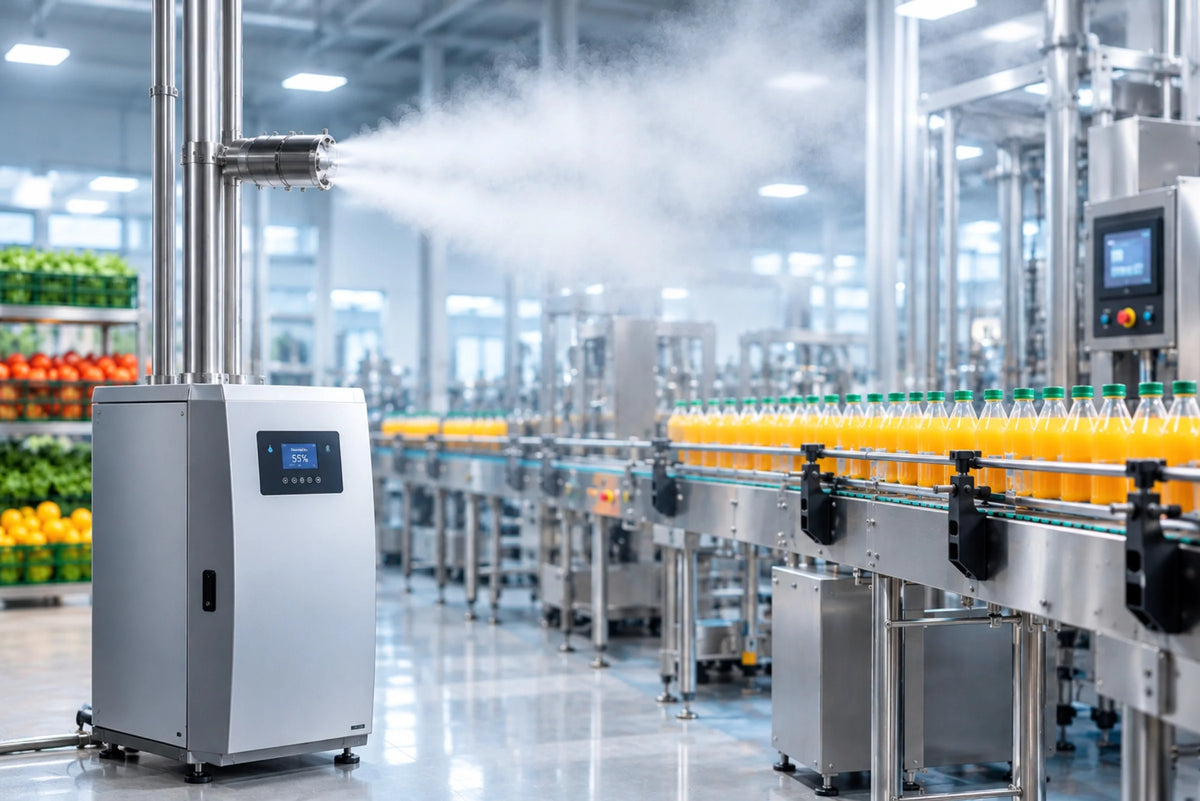
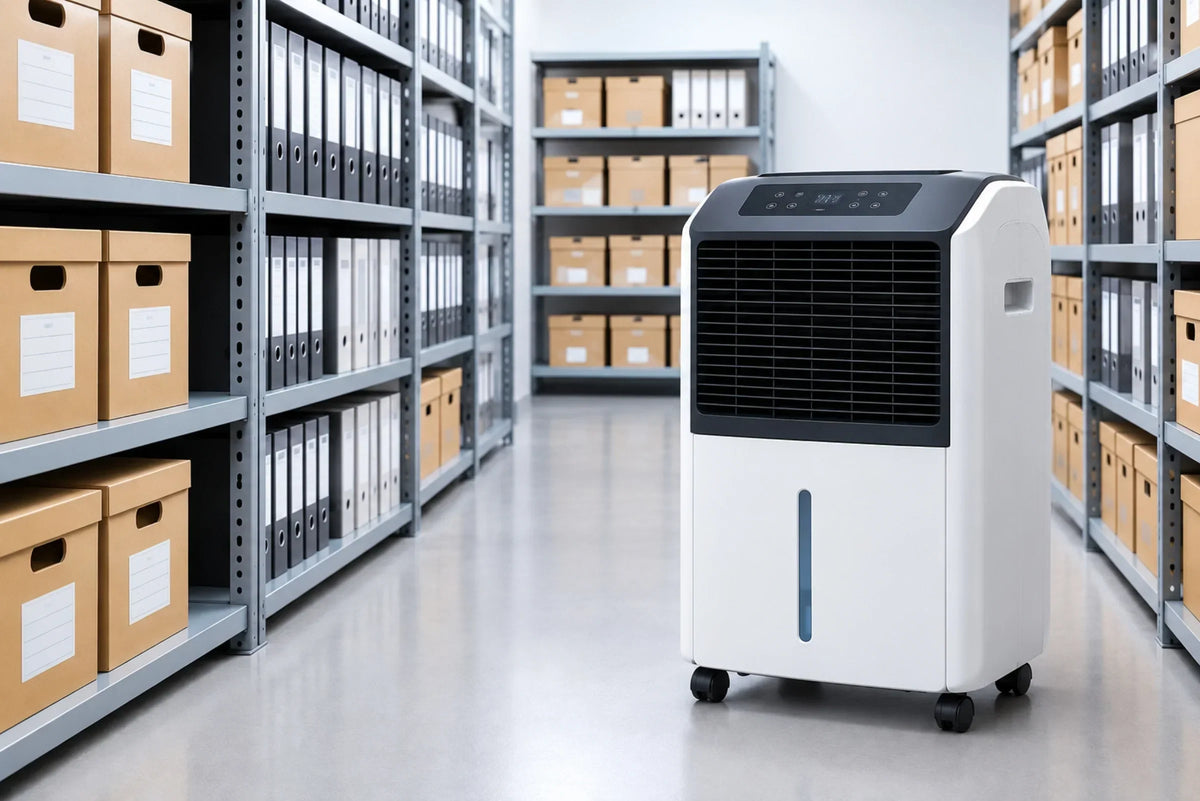
Dehumidifiers are a rapid and precise solution to the need of maintaining accurate humidity levels in manufacturing, assembly and testing areas across various industries. Dehumidifiers also are widely used in storage facilities to ensure the product quality and structure stay intact.

Share:
How humidity may affect COVID-19 outcome.
Humidity and how it contributes to corrosion in electronics.